
Our Leather
Know Your Leather
Cow & Calf Hide
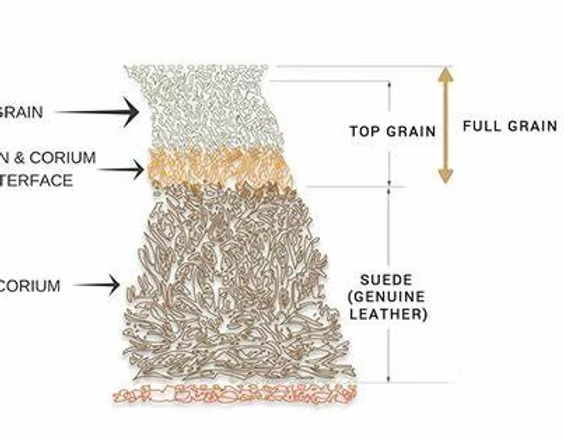
Cows are large animals with thick skin, which makes their hides too thick for everyday leather products. Therefore, cowhide is usually cut down to be thinner and more useful for different purposes. Cowhide consists of two main layers – the corium and the grain. The corium becomes thicker with age, which is why calfskins are thinner, smoother, and softer than the hides of older animals. The top part of the grain can contain blemishes, so it is often buffed off to make the leather look more uniform.
Sheep Hide
Sheepskin leather is highly regarded for its smooth texture, thinness, and well-defined, evenly spaced pores. The tiny grain size of sheepskin leather results in a silky feel that is unmatched by other commercial leathers. This type of leather is a popular choice for clothing, accessories, and other products due to its soft texture, durability, and versatility.
Split Leather Aka Genuine Leather
The bottom part of the leather, the part that is split off from the grain at the grain/corium junction, goes by many different names, and it can get really, really confusing. Many people refer to this bottom layer of leather as “genuine leather”, however, the term isn’t used consistently and is also used to mean real leather as opposed to manmade faux leathers. More terms you may see: split leather, corrected leather, embossed leather, coated leather, Suede, Napa leather (again, not a consistently used term), painted leather, and more. For our purposes, we’re going to refer to it as split leather.
Split leather can then be sliced down even thinner and used for other purposes. Often a polymer coating is applied and embossed to mimic a grain leather; however these leathers are not nearly as strong or durable. This is sometimes referred to as a finished split.
Another use for split leather is suede, which has been textured to have a napped finish. Suede is often confused with nubuck, which is a grain leather that is textured to have a similar nap finish. The difference is that nubuck is much stronger and more durable than suede, though suede’s softness and pliability make it useful for certain applications.
Bonded leather is the lowest grade of leather, because it is not really leather – just shredded leather scraps and bits reconstituted with a filler and backed with an embossed polyurethane coating. It’s very cheap, but falls apart quickly. Bonded leather is found in low-end furniture and accessories, and sometimes book binding. You may also see this referred to as reconstituted or blended leather.
Patina, The Hallmark Of Premium Leather.
For leather experts and leather enthusiasts, the word ‘patina’ can be a kind of obsession. Patinas are something we love to look for and discuss. If you have questions about what type of leather develops a patina layer, what makes leather premium quality or what causes the color of patina, you have come to the right place.
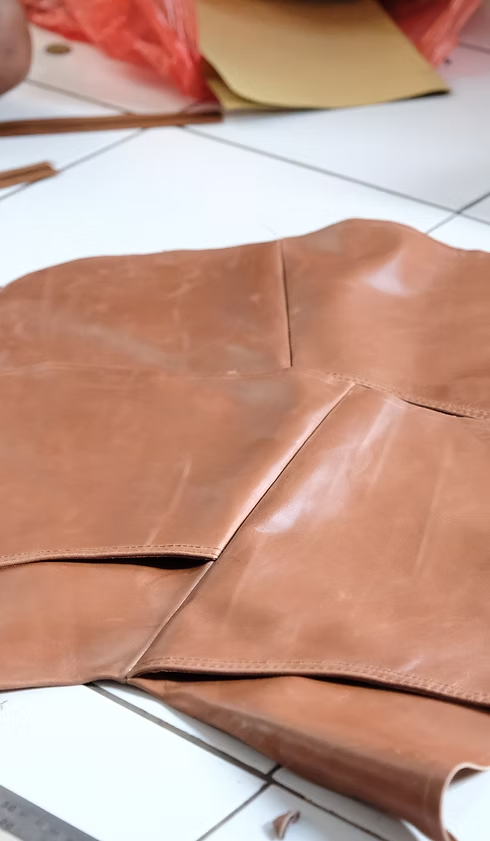
One of the hallmarks of premium leather is that it ages beautifully forming a natural patina. As your high-quality leather ages, you will see gradual changes such as more depth to the color, increased suppleness and a light sheen.
The cool thing about leather patina is that each one is unique. It is the product of its own environment, so every premium leather item tells its own distinct story.
Patina: The Hallmark of Premium Leather
To bring sustainable luxury to Pacific Islanders, celebrating craftsmanship, culture, and community.
We Use the Highest Grade: Full & Top Grain Leather
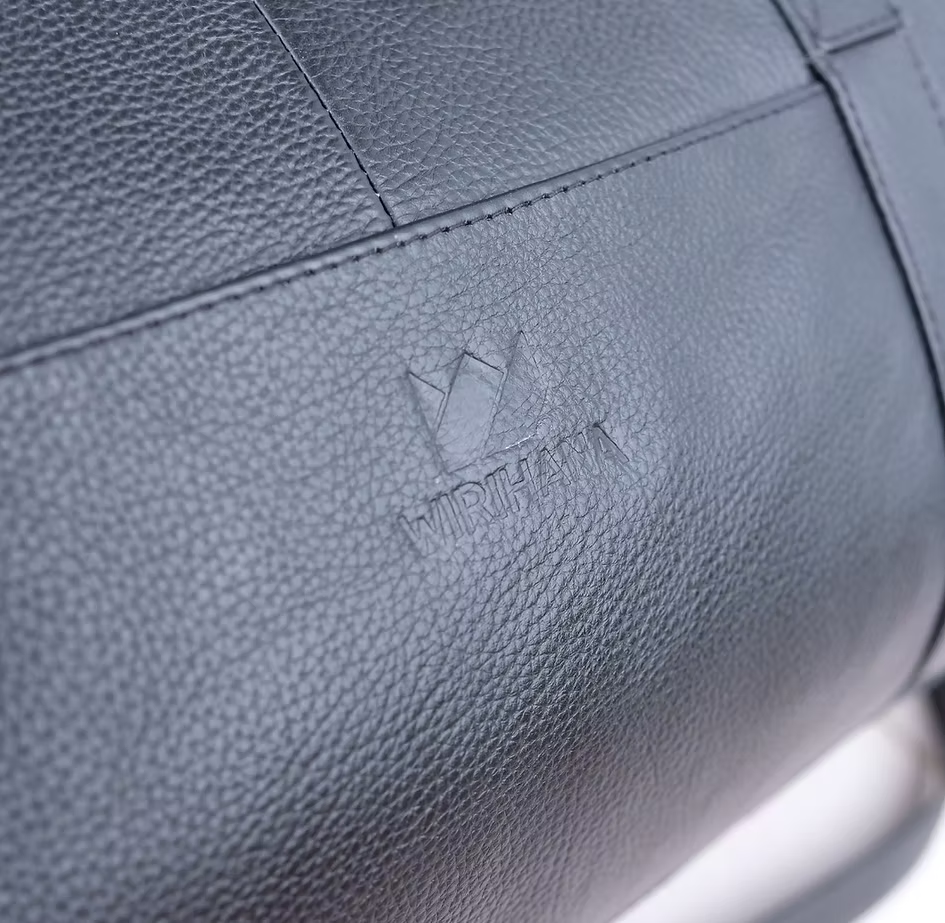
When the leather is corrected in any way, it is called top grain. Leather with the entire grain intact is called full grain. Full grain leather, even though it may have blemishes, is more expensive and more sought-after than top grain leather because of its durability and longevity. Both full grain and top grain leathers are referred to as grain leather.
Among grain leathers there are three general categories: aniline, semi-aniline, and protected.
Analine leathers are processed using soluble dyes to maintain their natural markings and texture, and do not have a surface pigment or coating. This makes them the most natural-looking leathers, but also more susceptible to scratching, fading and staining.
Semi-analine leathers are treated with pigments and thus conceal more blemishes and have a more uniform coating, as well as staying more protected.
Protected leathers have a non-leather coating sprayed or attached to the leather as a protectant.